Credit: Anthony Bianciella
My own first years at Bliss Travels were spent as a tour guide around Paris, and if there's one thing that job teaches you, it's how to spot the exact moment a tourist's eyes glaze over. It usually happens somewhere around the ninth monument before lunch. They nod, they take the photo, and if you ask them at dinner what they saw that morning, half of them genuinely can't tell you whether that gilded dome was Les Invalides or something else gilded entirely. That's not a trip. That's a very expensive blur, and it's exactly what our pacing is built to avoid.
It's still a vacation
Yes, you've picked an active one — you're here to discover a new country, not to lie on a beach in Barbados with a margarita in hand, and we respect that. But choosing to explore doesn't mean signing up to be rushed from 9am to 10pm every day like it's a job with a dress code. You're here to discover as much as you're here to relax, and our pacing is built for both, not just the first one.
Two things a day, maybe three
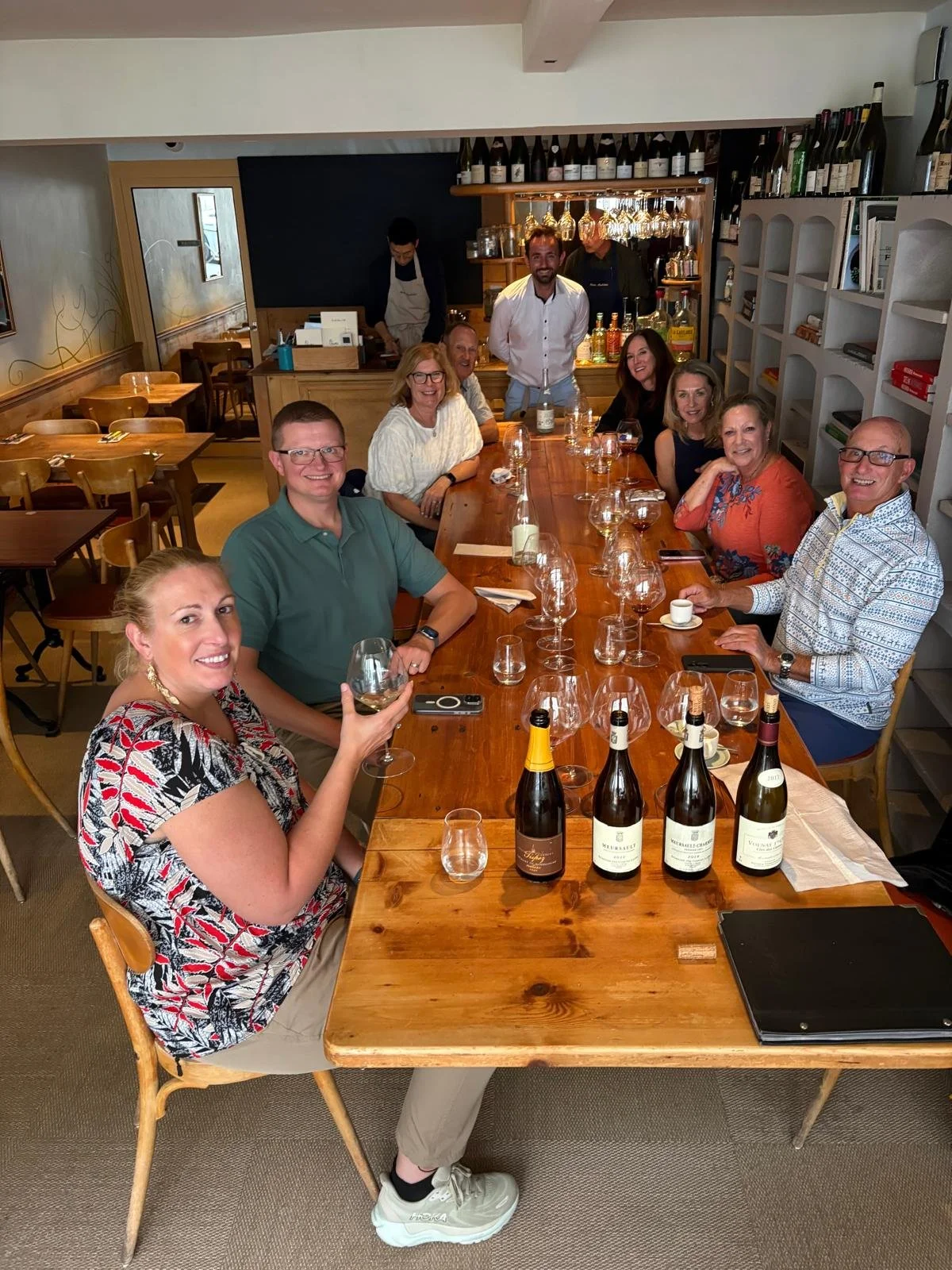
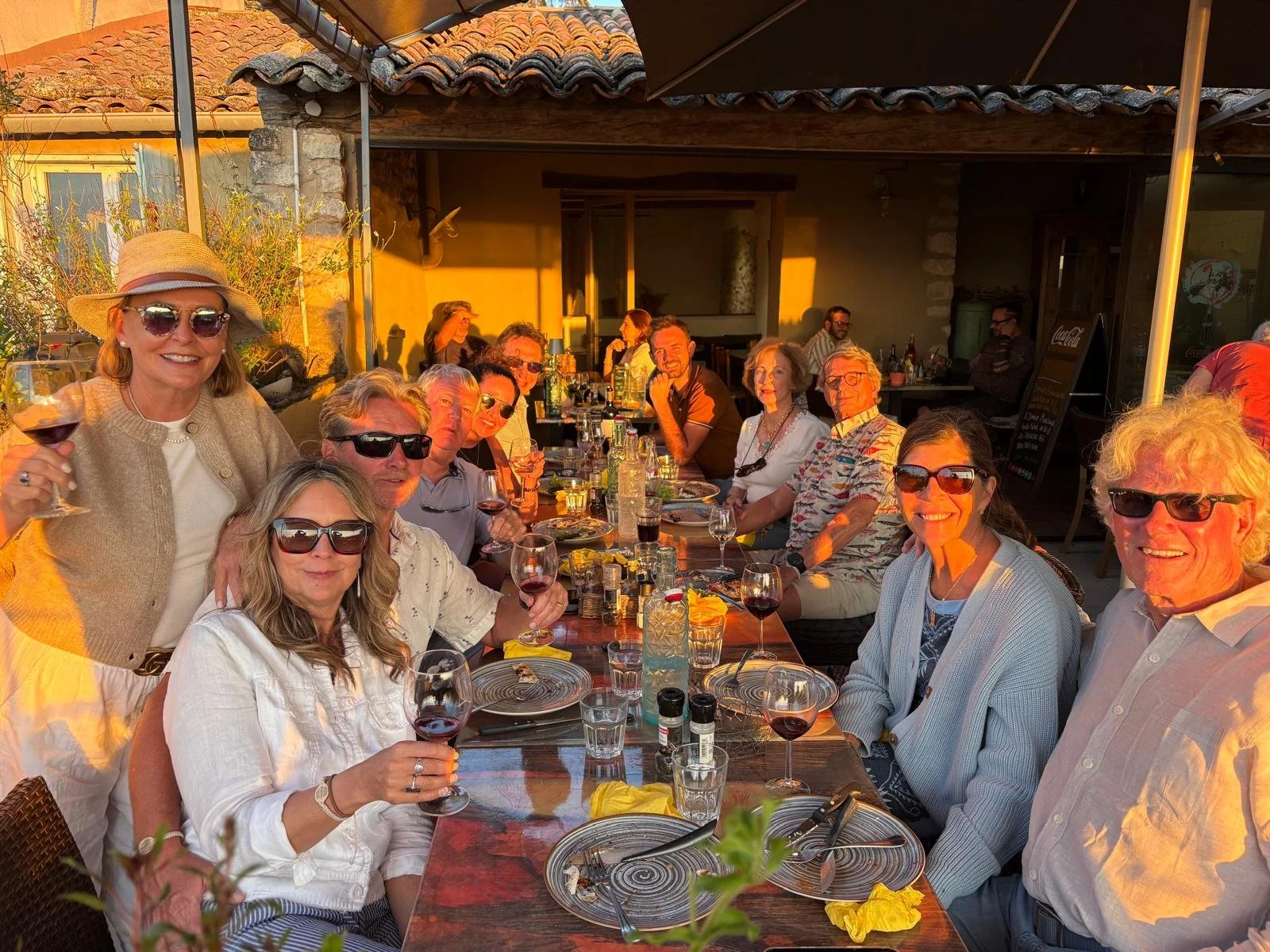
Most itineraries are built like grocery lists — more stops, more value, obviously. We think that math is backwards. So we plan for two real things a day, occasionally three if they sit close together and are genuinely worth it — and one of those two is always a meal. Not because lunch needs its own line on a schedule, but because a meal is one of the few moments on a trip built entirely for sharing: comparing notes on the morning, arguing about where to go next, actually talking to the people you're traveling with instead of just walking beside them. A day with one château, a long unhurried lunch, and a wander through town will stay with you longer than a day with four châteaux and a sandwich eaten standing up.
Built-in pauses, not padding
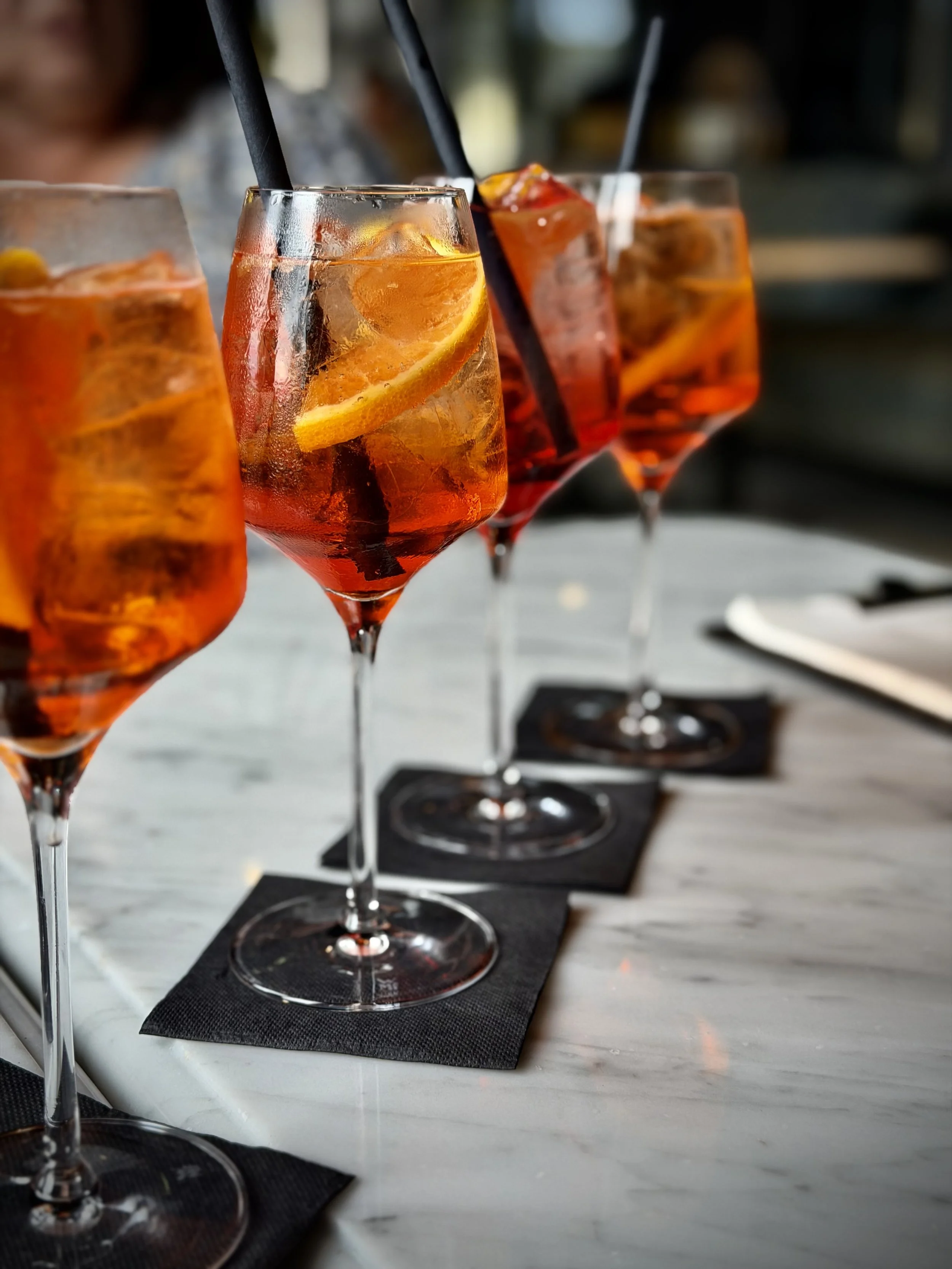
There's a difference between dead time and a deliberate pause, and it's the difference we design around. A free afternoon at the hotel, a slow aperitif as the light turns gold, an hour with absolutely nothing on the agenda — none of that is filler. It's where the trip actually settles into you, the same way a good meal needs a pause between courses rather than everything arriving on one plate. Cram the day and you get indigestion, whether it's dinner or Provence.
Fewer stamps, better stories
I'll admit there's a certain bragging rights to having "done" six countries in nine days, and far be it from me to deny anyone their holiday math. But ask that traveler for one real story from the trip, one specific thing that actually happened to them, and you'll often get a long pause before they land on something they saw from a bus window. We'd rather you came home with three stories you'll still be telling in five years than six stamps you'll have forgotten by Christmas.
The pacing is the point
This is really the same instinct behind how we choose your hotel and why we cap our groups at 10 to 12 — it's all one philosophy wearing different hats. A trip isn't a checklist executed efficiently. It's a handful of days arranged so that you're actually present for them, rather than ticking through them half-dazed, wondering which gilded dome you just photographed.
If that sounds like the kind of pace you've been missing from a trip, get in touch and we'll build your next one around it — not around the list.